
Canto has been a fixture in the DAM market for over 25 years. It's a capable platform for centralizing assets and managing brand libraries, particularly for mid-sized organizations that have outgrown basic cloud storage. But Canto's heritage also means it carries the weight of legacy design decisions: a folder-heavy interface that users consistently describe as clunky, an onboarding process that can stretch for months, and pricing that's hidden behind a sales call.
For creative and marketing teams who want to move fast — agencies, in-house studios, lean brand teams — the friction starts the moment you try to get started. No public pricing, no self-serve signup, and an interface with a learning curve that takes real time to climb.
That's the gap Playbook fills. Where Canto is built around structured library management for IT-administered organizations, Playbook is built around how creative work actually happens — visually intuitive, quick to start, and designed for the people actually using it, not just the admins who set it up. Enterprise-ready when you need it to be, without the overhead when you don't.
Playbook vs. Canto
More than an asset library — a home base for complete creative workflows
| Playbook | Canto | |
|---|---|---|
| Pricing and accessibility | ||
| Pricing transparency | Transparent pricing starting at $25/month for teams | Custom quotes only — requires a sales call |
| Storage | Teams start with 3TB | Custom; storage tiers negotiated per contract |
| Accessible for smaller teams | Designed for teams of all sizes from day one | Mid-market to enterprise focus; pricing can be prohibitive for lean teams |
| Onboarding | ||
| Getting started | Self-serve. Start immediately. No sales calls required. | Demo-gated. Onboarding process required before full access |
| Onboarding timeline | Same day. Import from Google Drive, Dropbox, and more. | Can take weeks to months, especially for large migrations |
| Interface | Visual-first, thumbnail-rich, intuitive for non-designers | Folder-heavy, high-functionality but complex |
| Learning curve | Minimal — built for the whole team, not just admins | Steep — complex taxonomy setup; confusing for occasional users |
| Feature set | ||
| Core product | Digital Asset Management (DAM) + full creative workflow platform | DAM focused on asset storage, search, and brand distribution |
| AI capabilities | AI-powered image and video search, smart tagging, OCR, scene detection, shot-level search, and built-in AI chat | AI tagging available on higher-tier plans |
| Search experience | Conversational AI search — find any asset and immediately take action on it | Metadata and keyword search |
| Search → action workflow | Find, organize, tag, group, share, and publish in one place | Find and distribute finished assets; limited workflow action on results |
| Video workflows | Preview, scrub, frame-level comments, shot search, and scene insights | Basic video support; limited collaborative review on video assets |
| Tagging and metadata | Flexible tags + custom fields + editable AI tags — no rigid taxonomy required upfront | Powerful when set up correctly; requires significant taxonomy work to maintain |
| Version control | Version stacking with side-by-side comparisons built in | Basic versioning available; less built for iterative creative review |
| Collaboration & review | Comments, approvals, and review workflows built into one workspace | Basic collaboration; external review workflows require additional tools |
| Sharing and presentation | Share links, branded pages, templates, and presentation-ready publishing | Portals and share links available; noted as slow to update by some users |
| Built-in creative tools | AI editing, background removal, video captions, color palettes, and more | No native creative tools; requires external apps for editing tasks |
| SSO & enterprise security | SSO, advanced permissions, locked boards, and audit controls on Enterprise | SSO and enterprise security available on higher-tier plans |
| API and integrations | SDK and API on Business and Enterprise plans. Custom workflow builds in weeks. | API available; integrates with Adobe InDesign, CMS, and Microsoft Office |
| Custom migration support | White-glove migration and change management support on Enterprise | Migration support available |
| Product velocity | Feature requests and custom workflows shipped in weeks | 25-year-old platform; roadmap moves at legacy enterprise pace |
Why Teams Choose Playbook
Canto's onboarding is a known friction point. The onboarding process, even with dedicated support, can take several hours just to get oriented.
Playbook is self-serve from day one. Sign up, upload or import from other cloud storage platforms, and your library is running the same day. Team plans start at $25/member/month with a free trial available — no quote required, no sales process, no waiting.
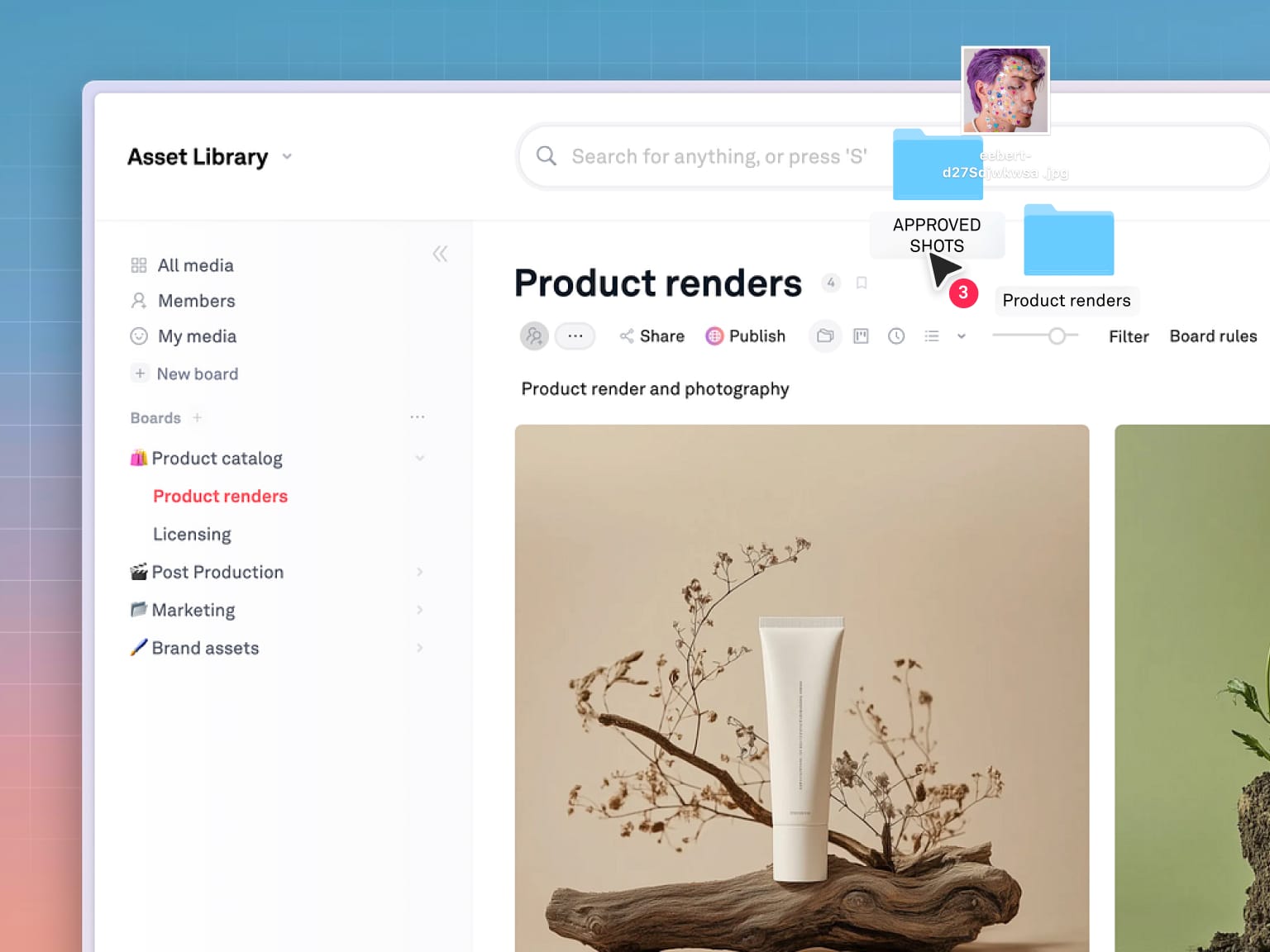
Canto's UI is functional but consistently described as dated. For non-designers who need to grab assets quickly - sales teams, product managers, and external partners - that friction translates to more Slack pings to the creative team, not fewer.
Playbook is visual-first by design: thumbnail-rich boards, color-coded organization, drag-and-drop everything. It's built so that anyone on your team — not just the people who set it up — can find what they need without a training session. That's what makes self-serve actually work in practice.
The interface is the product. If people don't use it, the DAM doesn't work.
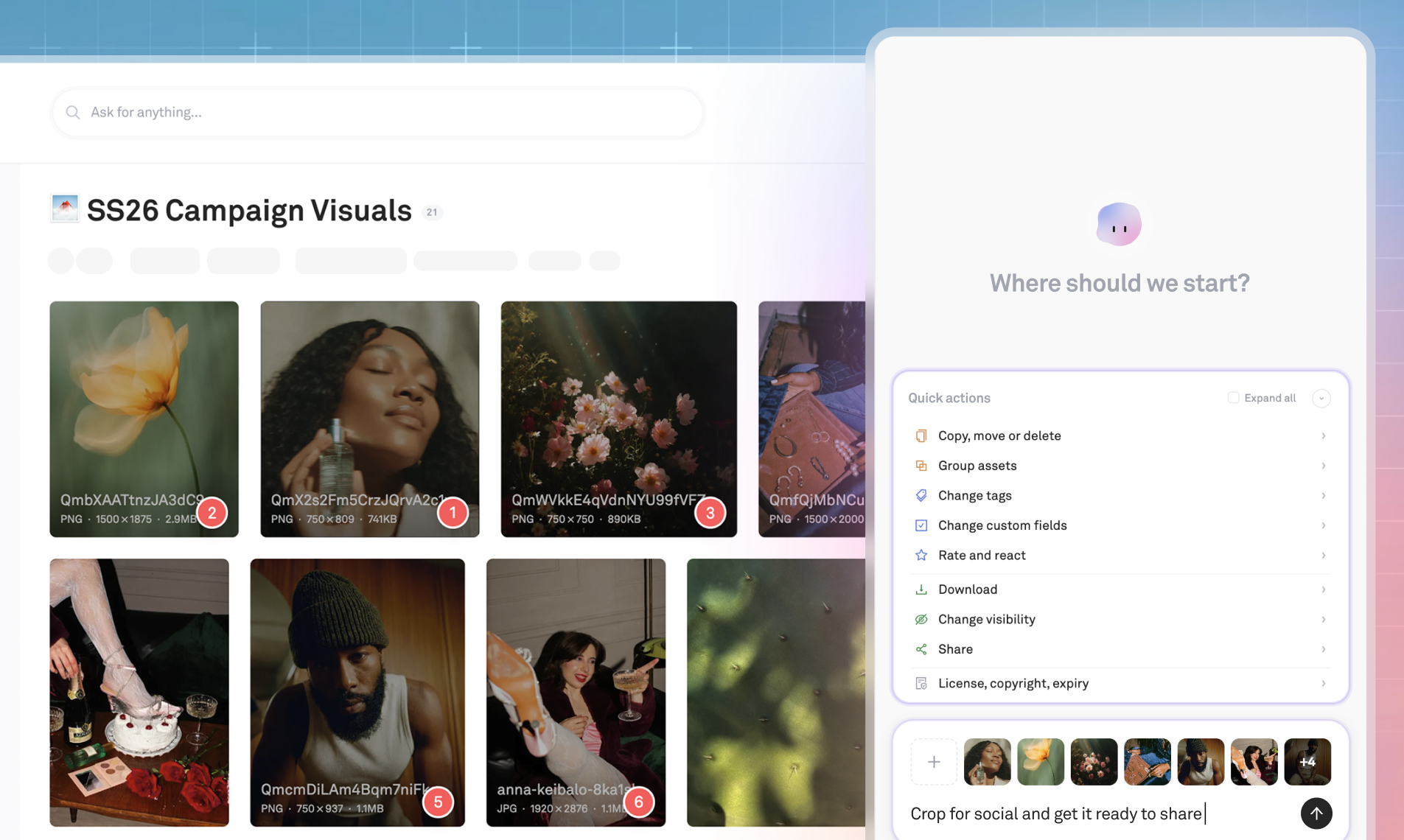
Canto offers AI-powered tagging and search on its higher-tier plans. Playbook's AI goes a step further: it's not just a way to find assets, it's a way to act on them. With Playbook Intelligence , you can prompt your library in plain language - "find all campaign images from Q4 and create a shareable board" — and Playbook executes it. You can batch-tag, remove backgrounds, reorganize entire sections of your library, and get AI-generated structure suggestions, all without leaving your workspace.
Canto has always served Enterprise DAM. Playbook does too, but with a fundamentally different philosophy about what DAM means in the modern day for creative teams.
Playbook's Enterprise plan includes SSO, advanced permissions and locked boards, custom metadata rules, cross-team access controls, dedicated migration and change management support, and a full SDK and API for custom integrations. The governance and security controls you'd expect — without the rigid taxonomy setup and months-long implementation that Canto requires.
The key difference is velocity. Playbook ships feature requests and custom workflow builds in weeks, not quarters. Teams with specific workflow needs work directly with a team that can actually build them on your timeline.
Opendoor scaled their brand asset system from 100 to 2,500 employees on Playbook. As their three-person creative team grew responsible for over 700 internal users, Playbook gave them a system where the rest of the company could self-serve without routing every request through the design team.
"Playbook creates a place that's extremely user-friendly. It allows us to empower people on a more regular basis without having to be knee-deep in anyone's project."
— Tirza Molina, Senior Creative Marketing Lead at Opendoor
Creative work doesn't start with finished files - it starts with drafts, feedback rounds, version comparisons, and client approvals.
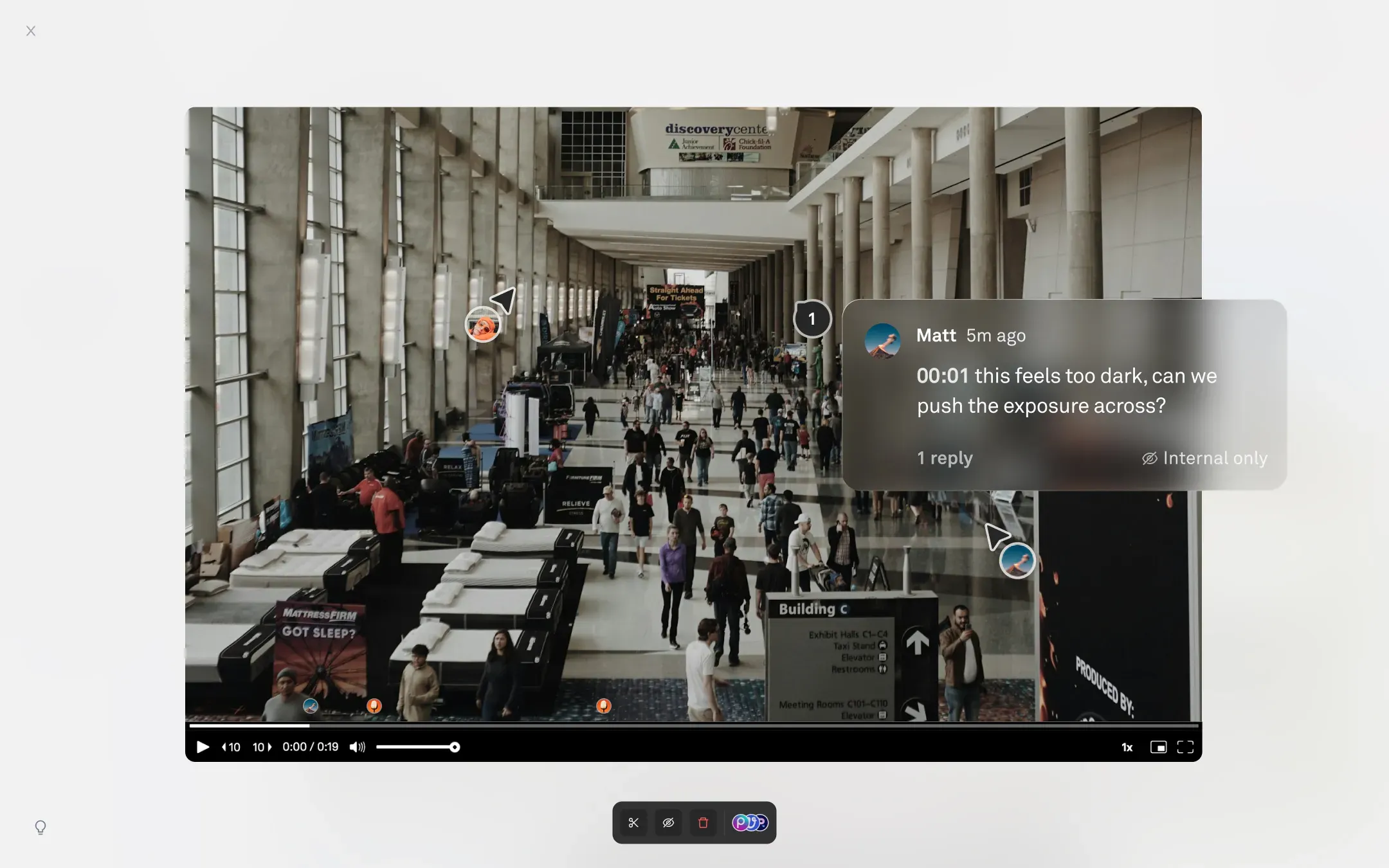
Playbook handles the full workflow: boards that mirror campaigns and shoots, draft → review → approval in a single workspace, frame-level commenting on video, side-by-side version comparisons, and final delivery via branded client portals and publish-ready templates. Your library becomes a living workspace, not just an archive vault.
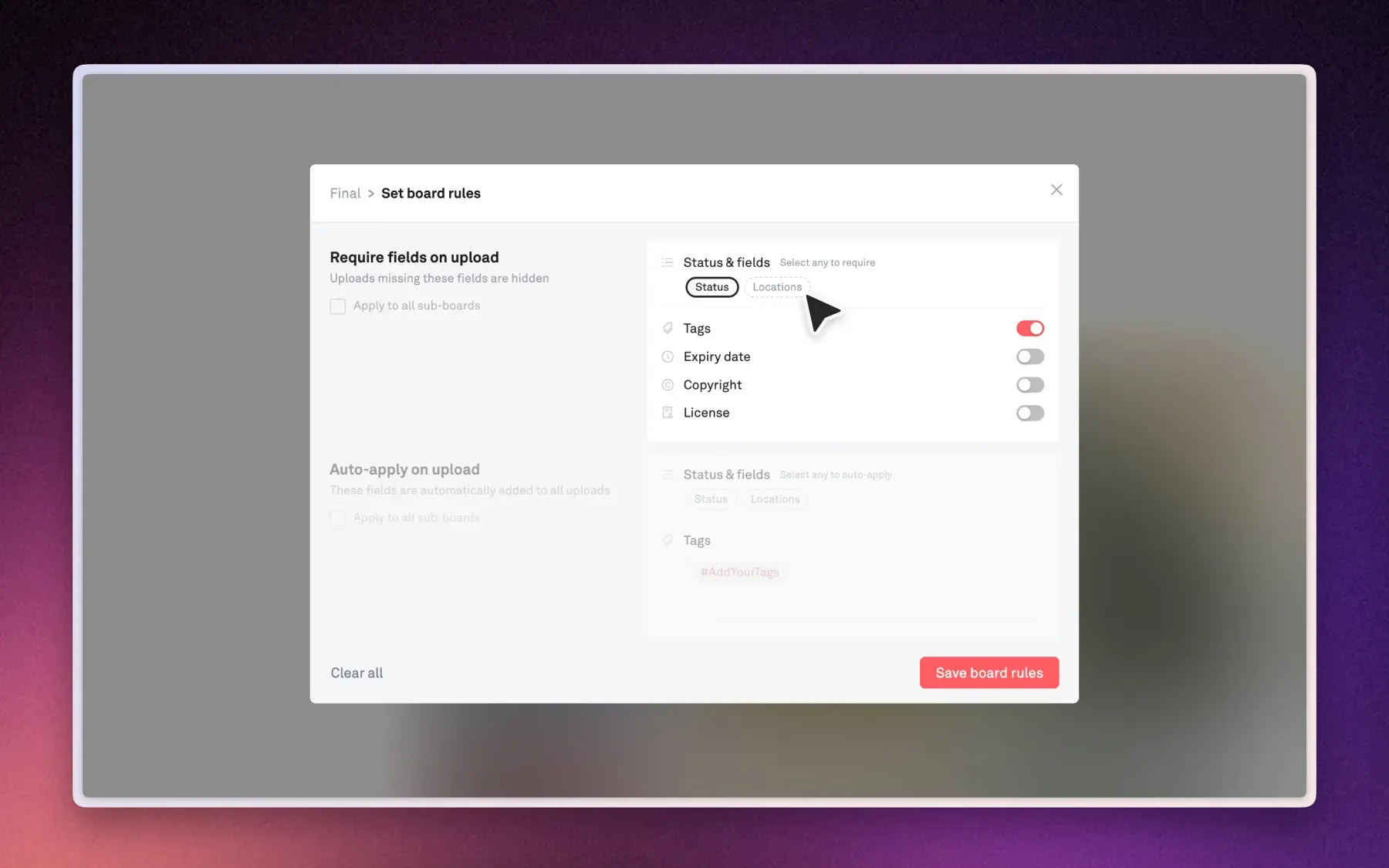
Canto requires significant upfront taxonomy and metadata setup. Canto users consistently note that if assets aren't tagged well from the beginning, the library becomes hard to maintain. That setup burden falls on your team, and it doesn't scale automatically.
Playbook flips this: board rules can require specific metadata fields or auto-apply tags on upload, so your library stays structured as it grows without manual policing . AI handles the initial tagging; your rules handle the consistency. For teams managing assets across multiple campaigns, divisions, or partner organizations, that difference compounds quickly.
Frequently Asked Questions
What is the best Canto alternative for creative teams?
Playbook is a strong Canto alternative for creative and marketing teams who want a faster, more intuitive DAM without months of onboarding. It combines AI-powered search across all file types, smart tagging, visual asset organization, review and approval workflows, video management, branded client delivery portals, SSO, and API/SDK access — all in one workspace that's self-serve from day one and enterprise-ready when you need it.
How does Playbook compare to Canto?
Both platforms offer AI-powered tagging and asset search. The key differences: Playbook has transparent, accessible pricing — Canto requires a sales call to get a quote. Playbook's interface is visual-first and built for non-designers to self-serve; Canto's UI is consistently described as clunky and folder-heavy. Playbook also supports iterative creative workflows — drafts, reviews, version comparisons, client portals — where Canto is primarily built for asset storage and distribution. And Playbook ships feature requests in weeks, not quarters.
How would we migrate from Canto to Playbook?
On Business and Enterprise plans, Playbook offers white-glove migration support. A dedicated team handles the full process — asset transfer, metadata mapping, and change management — so your library arrives organized and your team hits the ground running. Talk to the team about migrating →
Is Playbook enterprise-ready?
Yes. Playbook's Enterprise plan includes SSO, advanced permissions and locked boards, custom metadata rules, dedicated migration and change management support, and a full SDK and API for custom integrations. Customers like Warner Brothers Sports, Stubhub, and Opendoor use Playbook at scale. The key difference from legacy DAMs like Canto is velocity: Playbook ships new features and custom workflows in weeks, not quarters. Learn more about Playbook Enterprise →
Is Playbook free to try?
Yes. Playbook has a self-serve team trial you can start for free at playbook.com/sign-up just by signing up with your company email. See full pricing at playbook.com/pricing.