
Bynder is a genuinely capable enterprise DAM, and it is bought like one: a custom quote, a sales cycle, and an onboarding plan measured in months. For teams whose creative work moves faster than that, the useful question is not which system archives finished assets best. It is which system keeps up with the work while the work is still being made. This guide compares Playbook and Bynder in detail, then covers six other Bynder alternatives worth evaluating in 2026.
Bynder's reputation is earned. It holds a 4.5 out of 5 rating across roughly 1,100 G2 reviews at the time of writing, and it was named a Leader in the November 2025 Gartner Magic Quadrant for Digital Asset Management. The recurring complaints are not about capability. They are about weight: complex filter and permission settings, an administrative taxonomy that has to be maintained, and a rollout that starts with a quote instead of a login.
Playbook vs. Bynder
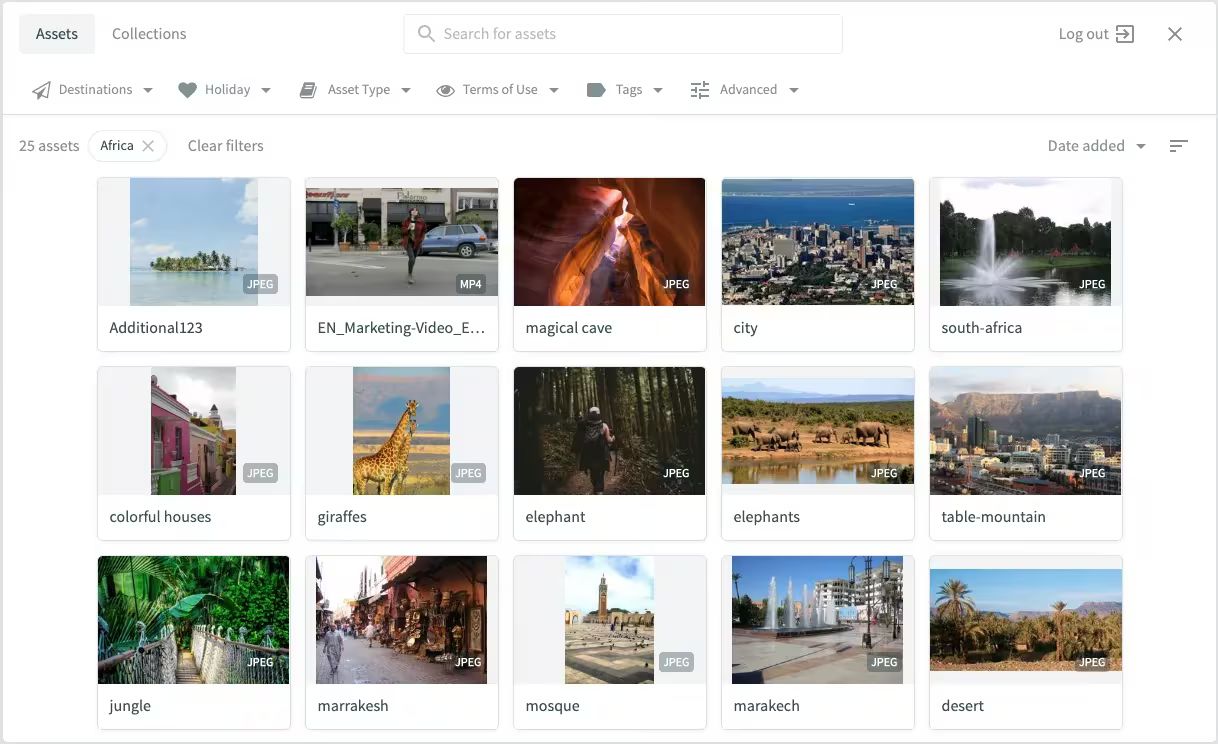
An AI-native creative library you can start using today, not next quarter
| Playbook | Bynder | |
|---|---|---|
| Pricing and accessibility | ||
| Pricing transparency | Every tier is published. Free, Pro, Team at $25/member/month, Business at $500/month. | Quote only. No public price list; packages are assembled per customer. |
| Free plan | Free plan with 100GB and up to 300 assets. No credit card. | No free tier and no self-serve plan. |
| Cost as the team grows | Business is a flat $500/month for unlimited members. Growth lowers cost per person. | Priced by seats, storage, and modules. Procurement data puts median contracts near $41K/year. |
| Guests and reviewers | Unlimited guests on every plan, including Free. A guest never takes a paid seat. | Access is governed by licensed user counts. |
| Onboarding | ||
| Getting started | Self-serve. Sign up and upload the same afternoon. No sales call required. | Sales-led. Demo, scoping, and quote before anyone touches a file. |
| Migration & implementation | Instant import from Google Drive, Dropbox, and OneDrive. Or connect an existing S3 or GCS bucket and leave the files where they are. | Onboarding is typically completed within 90 days, with a phased soft launch before the hard launch. |
| Feature set | ||
| AI capabilities | Conversational search, auto-tagging by subject and mood, duplicate detection, board rules that file new uploads automatically. | AI tagging and search built on top of a configured taxonomy. |
| Search experience | Ask "show me every hero shot with pink packaging" and move, tag, or share the results without leaving the answer. | Strong structured search, dependent on the metadata model being maintained. |
| Taxonomy | Flexible tags, custom fields, and editable AI tags. No rigid taxonomy required. | A structured taxonomy is the backbone. Reshaping it is an admin project. |
| Creative workflow | Organize, review, version, approve, share, and publish inside one library. | Strongest on governance and distribution of already-approved assets. |
| Video review | Preview, scrub, and comment per second, alongside every other asset type. | Video is supported; iterative review is lighter. |
| Sharing and publishing | Publish any board as a branded site, with hundreds of ready-made templates. | Brand portals and brand guidelines, delivered as modules. |
| Product velocity | Feature requests and custom workflows shipped in weeks. | Enterprise roadmap cycles. |
If you want to see the difference against your own library rather than a table, schedule a demo and bring a folder that is currently hard to search.
Why teams choose Playbook
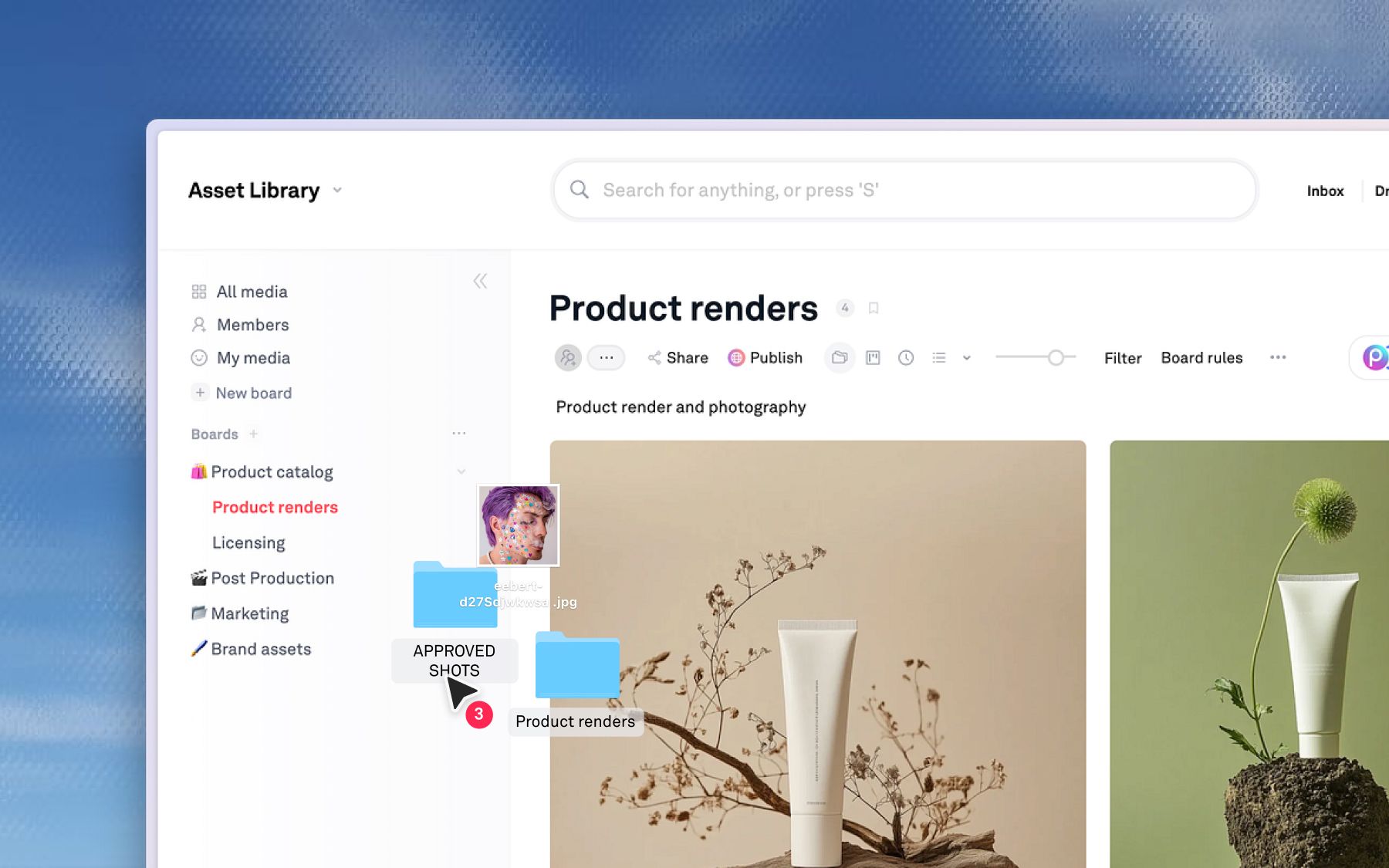
Bynder's own onboarding guidance describes a journey typically completed within 90 days, with a soft launch running one to two months ahead of the real one. Playbook is self-serve: sign up, import from Google Drive, Dropbox, or OneDrive, and have a searchable library the same afternoon. If your files already live in an S3 or GCS bucket, Playbook can index them in place, so nothing moves and nothing gets lost in transit.
"Find the most recent brand guidelines" or "show me every photo with pink packaging." No filter stacks, no folder archaeology, no Slack message to the person who knows where things are. Playbook Intelligence reads the actual visual content of every image and video, then lets you tag, group, share, or publish straight from the results. A structured DAM answers the question you knew how to ask. Playbook answers the one you actually have.
Bynder pricing is assembled per customer, which means the number arrives after the sales process rather than before it. Every Playbook tier is on the pricing page. Team is $25 per member per month. Business is a flat $500 per month for unlimited members, so the crossover lands at 20 people and every hire after that lowers your cost per person: $10 each at 50 people, $5 at 100. Guests stay free on every plan, including the free one.
Legacy DAMs ask you to design the filing system first and live inside it afterward. Your team's creative work is a living, breathing beast, and a fixed taxonomy asks the beast to hold still. Playbook uses flexible tags, custom fields, and editable AI tags, plus board rules that file every new upload automatically once you set them. Nobody on your team has to be the librarian.
These are not in tension. Playbook offers SAML SSO, advanced permissions, audit controls, and a full SDK and API on Enterprise, without the mandatory change-management program. Warner Bros. and Moët Hennessy both found Playbook as individuals and brought their organizations along afterward, which is the opposite of how enterprise software usually arrives.
WBD Sports, the marketing team behind TNT Sports, Eurosport, and Bleacher Report, cut legal review rounds from four to two and reduced inbound asset requests by 50% after moving to Playbook. At Opendoor, which grew from roughly 100 people to 2,500, the design team reports spending 50 to 70% less time hunting for brand assets.
Other Bynder alternatives worth considering in 2026
Bynder is not the only enterprise DAM, and the right replacement depends on which part of Bynder you were actually buying. These six cover the realistic range, from like-for-like enterprise DAM to developer-first media infrastructure.
Canto: the closest like-for-like replacement
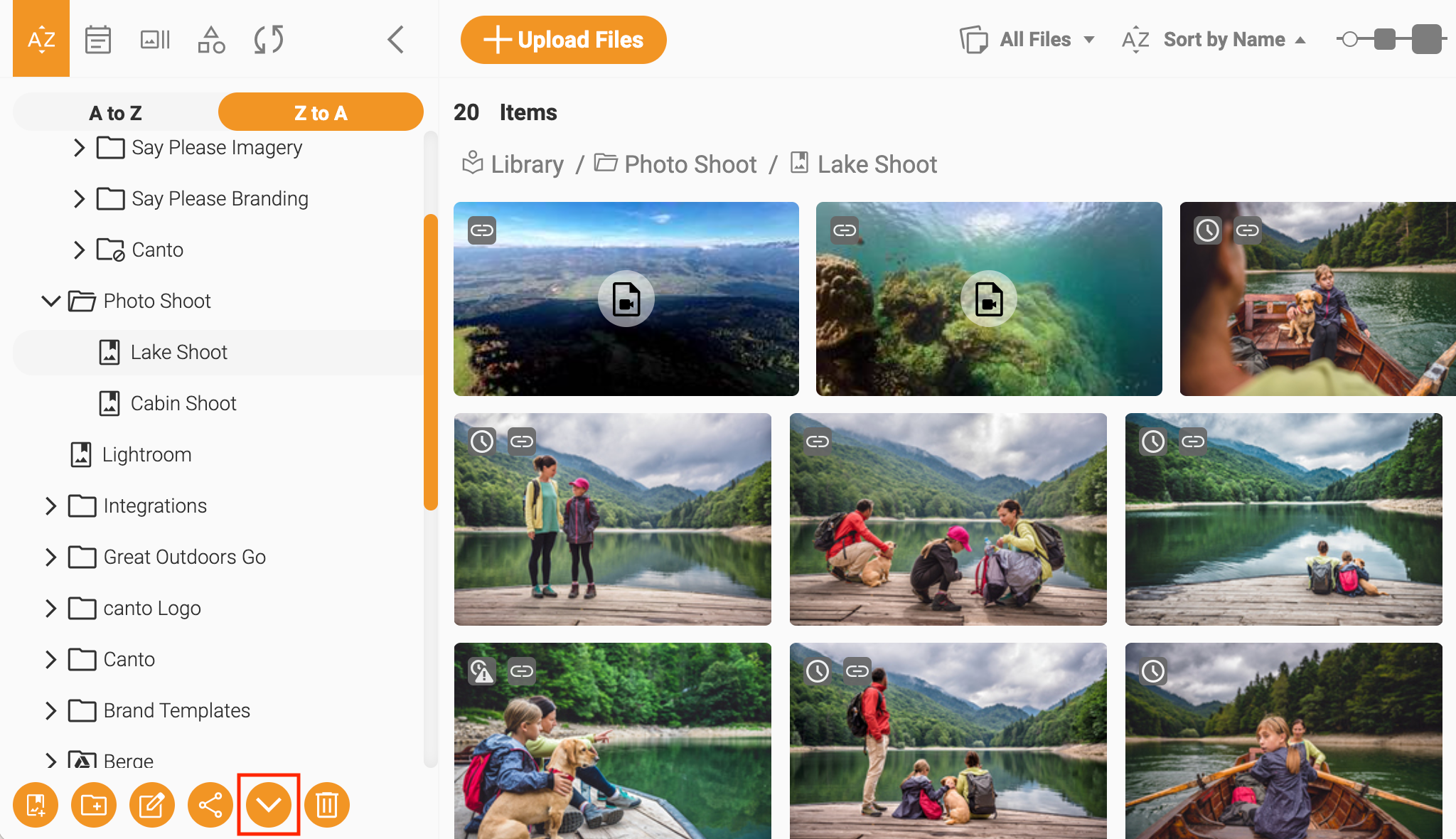
Canto is an established enterprise DAM that competes with Bynder on friendlier administration and a faster go-live, aimed squarely at mid-market marketing teams. It is the swap to consider if Bynder was right in category but heavy in practice. Pricing is still quote-based, so the sales process does not go away. We cover it in more depth in our Canto alternative guide.
Brandfolder: brand governance for large marketing orgs
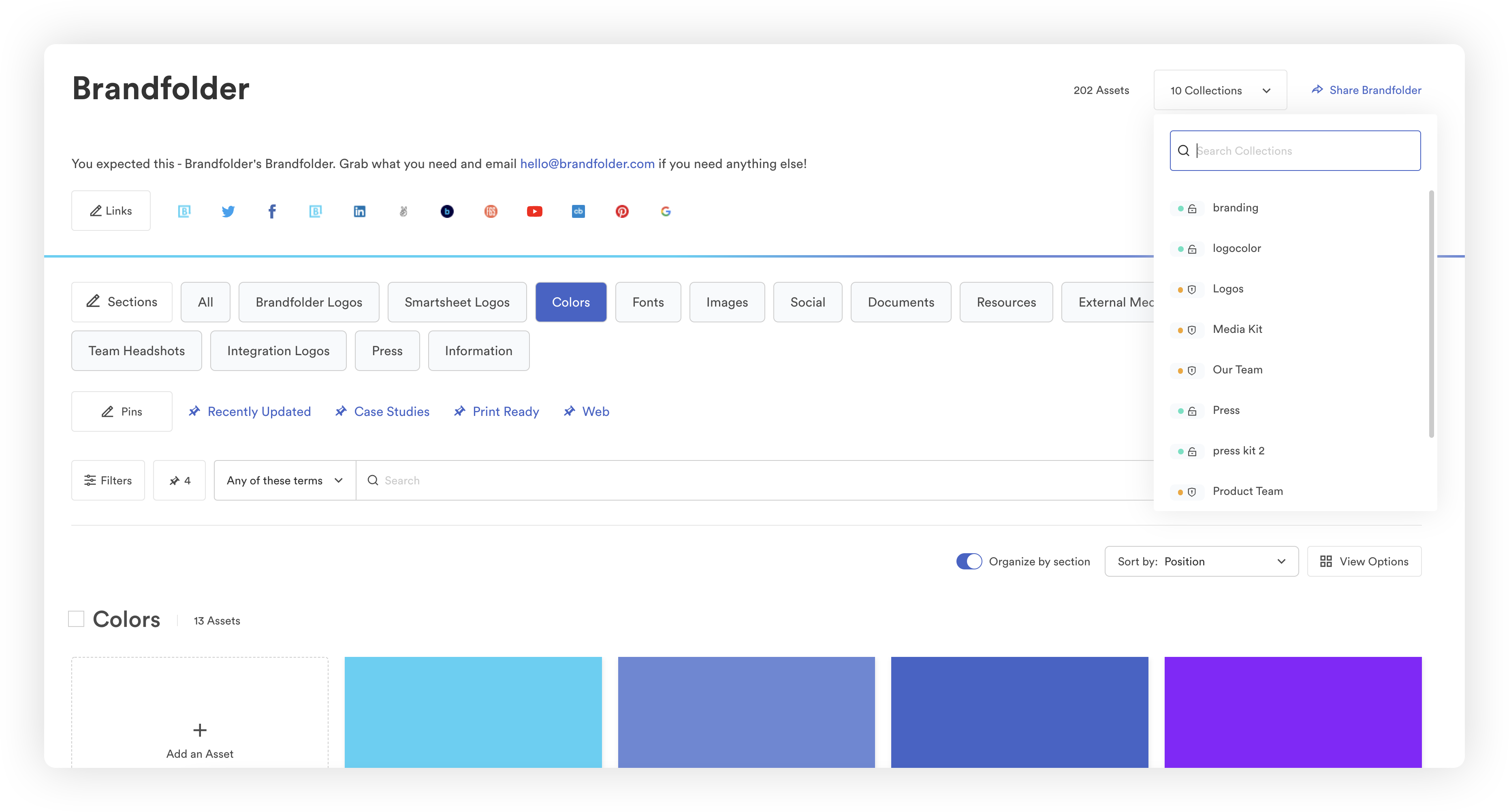
Now part of Smartsheet, Brandfolder is built around distributing approved brand assets to a wide internal and partner audience, with strong analytics on what actually gets used. It suits organizations that have a procurement team and a multi-week onboarding window. It is less suited to iterative creative review. See our full Brandfolder comparison.
Frontify: brand guidelines first, DAM underneath
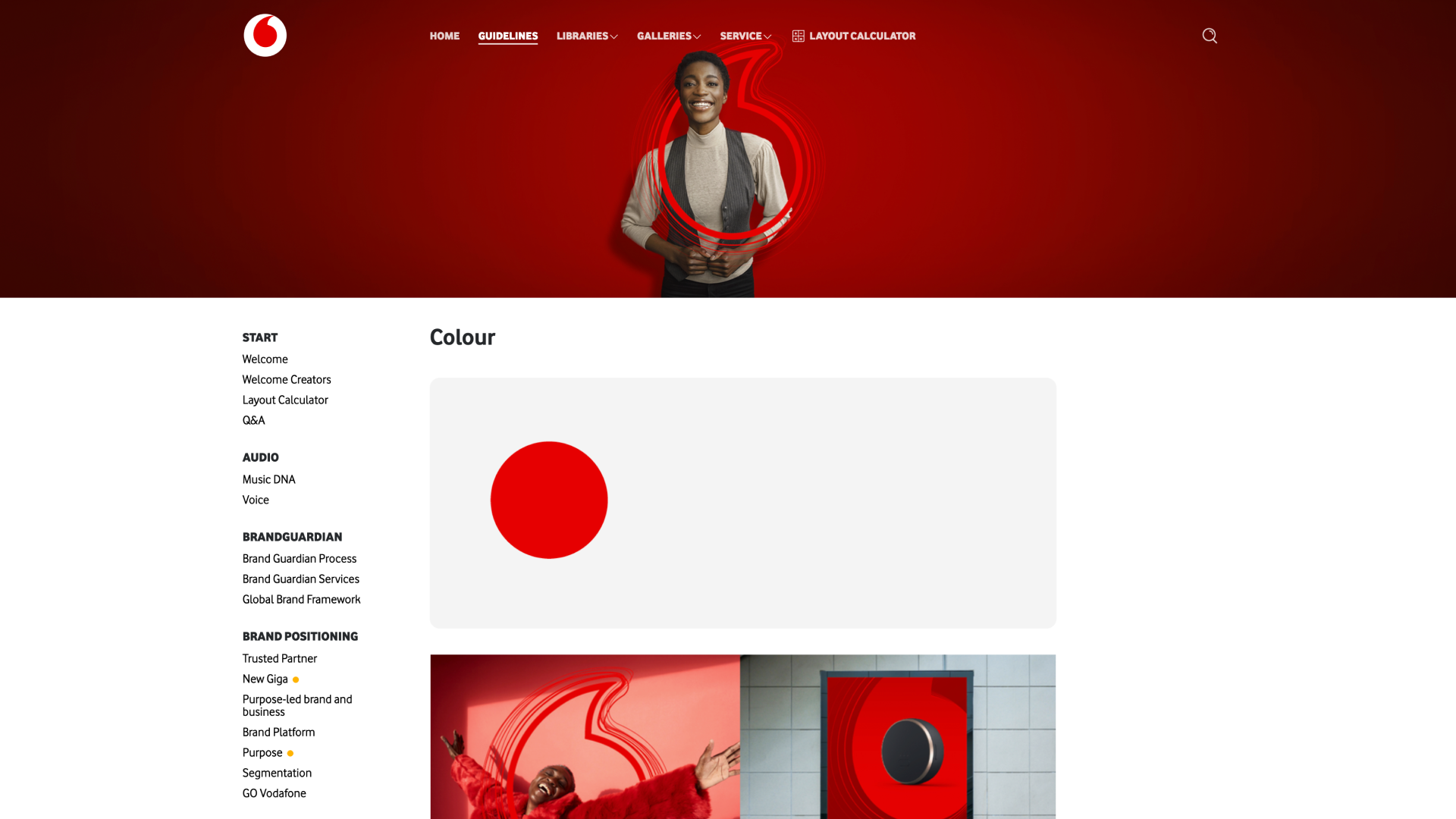
Frontify starts from brand management: living guidelines, portals, and templates, with asset management sitting underneath. If what drew you to Bynder was brand governance rather than the library itself, Frontify is the specialist. Pricing is quote-only; procurement data puts median contracts around $32K per year at the time of writing.
Air: a visual library for smaller creative teams
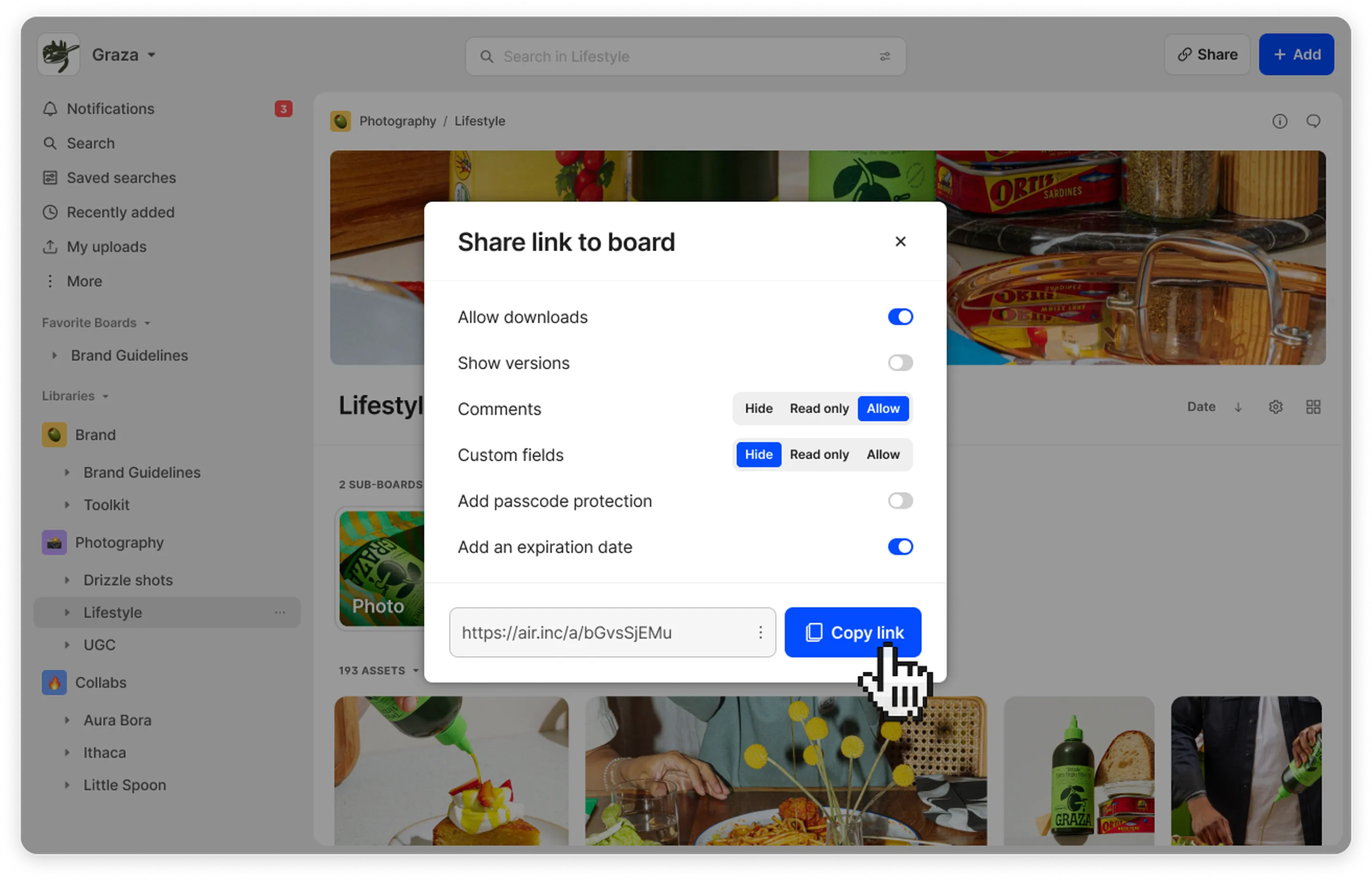
Air is a modern, visual-first alternative to legacy DAM, popular with social and content teams who found Bynder too structured. It is genuinely pleasant to use for a small team. Pricing climbs quickly with headcount, and teams past 15 members are routed into an enterprise conversation. Our Air alternative guide goes deeper.
Dash: published pricing for small ecommerce brands
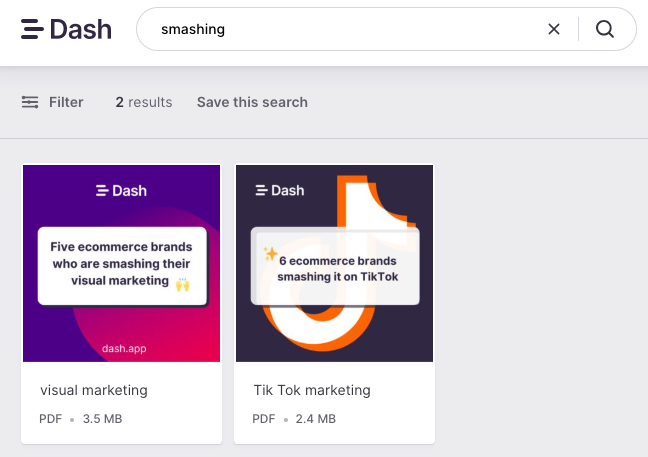
Dash is a small-business DAM built for ecommerce and consumer brands, with public pricing that starts around $109 per month at the time of writing. It is deliberately narrower than Bynder, which is the point: less to configure, less to govern. Larger creative organizations tend to outgrow it.
Cloudinary: media infrastructure for developers

Cloudinary is an image and video API and CDN with a DAM layer on top, and it has a free tier. If your real problem is transforming and delivering media to a website or app at scale, it is the strongest option here. If your real problem is a creative team that cannot find last quarter's campaign, it is the wrong shape of tool.
How to choose a Bynder alternative
Most DAM evaluations compare feature checklists and then get surprised by the parts nobody scored. Five questions predict satisfaction better than a feature grid.
- How long until someone can actually use it? An implementation measured in quarters is a real cost, paid in the months your team spends working around the tool it is waiting for.
- Who does the filing? If the answer is a person, the system degrades the week that person gets busy. Auto-tagging and board rules should do it.
- What happens to an asset after approval? Review is a moment. The library is forever. A tool that ends at approval hands you the same search problem next quarter.
- Do reviewers cost money? Per-seat pricing quietly discourages the collaboration you bought the tool to enable. Unlimited guests changes that arithmetic.
- Can you see the price before the call? Published pricing is not just convenience. It signals a product that expects to win on the product.
Playbook is built to answer all five the same way. Schedule a demo and see it against your own library.
Frequently asked questions
What is the best Bynder alternative?
Playbook is the leading Bynder alternative for creative and marketing teams, offering conversational AI search, auto-tagging, review and approval workflows, and branded publishing. The Team plan is $25 per member per month and includes Playbook Intelligence. Canto and Brandfolder are the closest like-for-like enterprise DAM replacements at the time of writing.
How much does Bynder cost?
Bynder does not publish prices. Packages are quoted per customer based on users, storage, and modules, and there is no free tier or self-serve plan. Procurement data collected across real contracts puts the median annual spend near $41,000, with professional services quoted separately.
How long does Bynder take to implement?
Bynder's own onboarding guidance describes a process typically completed within 90 days, with a soft launch one to two months before the full rollout. By comparison, Playbook is self-serve: teams import from Google Drive, Dropbox, or OneDrive and start working the same day.
Is Playbook a real alternative to an enterprise DAM?
Yes. Playbook supports SAML SSO, advanced permissions, audit controls, and an API and SDK, and it serves more than 5,000 teams with 10 or more members. Warner Bros. and Moët Hennessy both adopted it organization-wide. Read more on how Playbook compares to legacy enterprise DAM.
Do I have to migrate all my files to switch?
No. Playbook imports directly from Google Drive, Dropbox, and OneDrive, and it can also connect to an existing S3 or GCS bucket and index those files where they already sit. That removes the bulk transfer that usually makes a DAM migration slow and risky.